


 Netherlands
 Germany
 France
 Italia
 España
 Sverige
 International
Lotus Leaf: How Does This Ancient Plant Support Weight Management?
When most of us picture a lotus plant, it is the flower that gets all the attention. Herbalists, however, have been quietly interested in the large green leaves...


Want to go to your dedicated store?
When most of us picture a lotus plant, it is the flower that gets all the attention. Herbalists, however, have been quietly interested in the large green leaves...

When most of us picture a lotus plant, it is the flower that gets all the attention. Herbalists, however, have been quietly interested in the large green leaves for centuries.
Lotus leaf has traditionally been used when the body feels heavy, sluggish, or congested, particularly around food and digestion. Today, it’s gaining traction for its weight loss benefits, and there is an interesting reason for that.
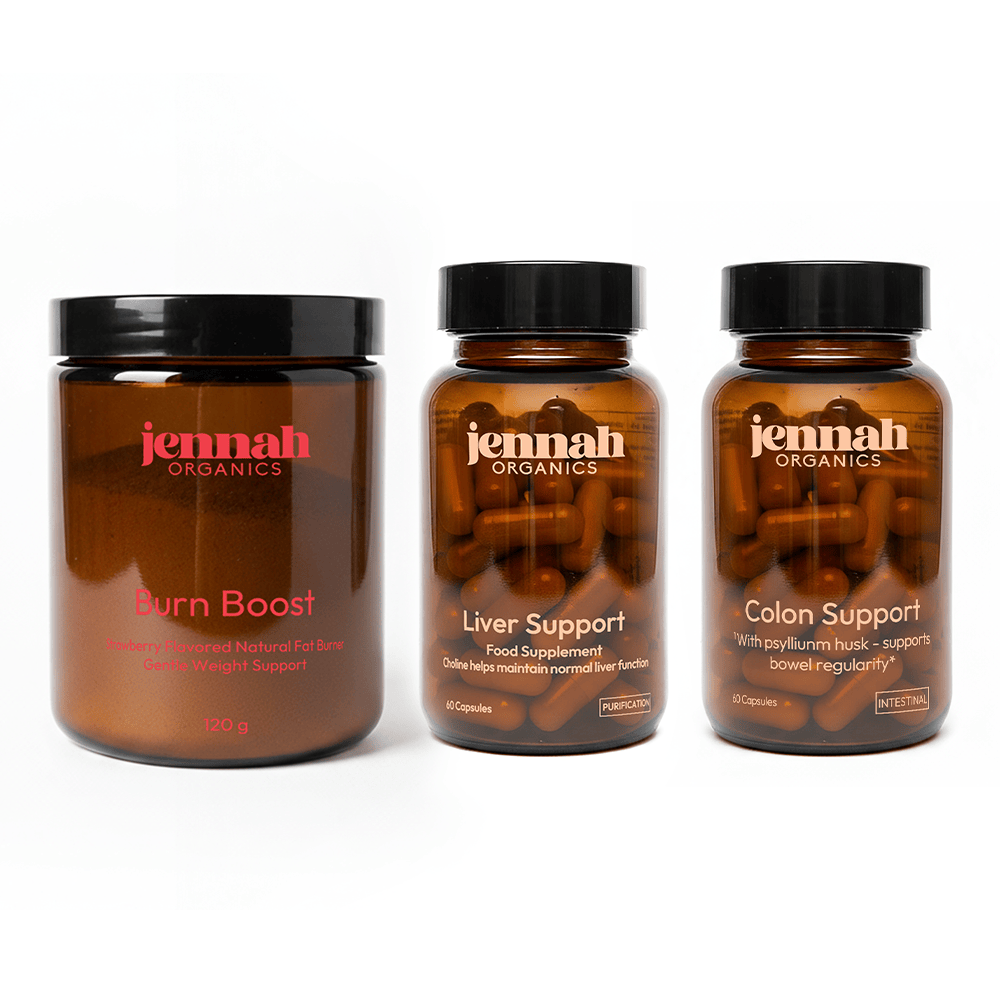
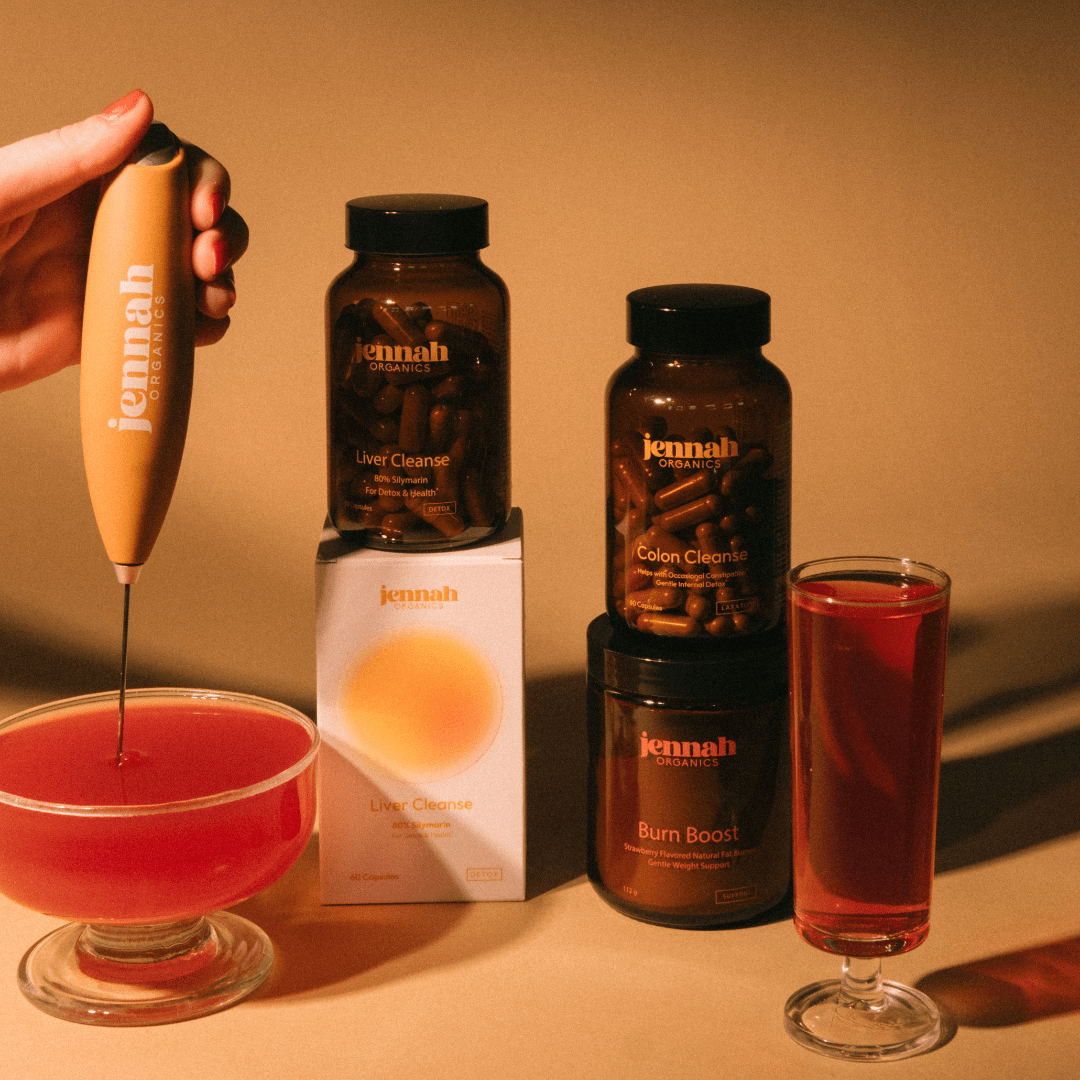
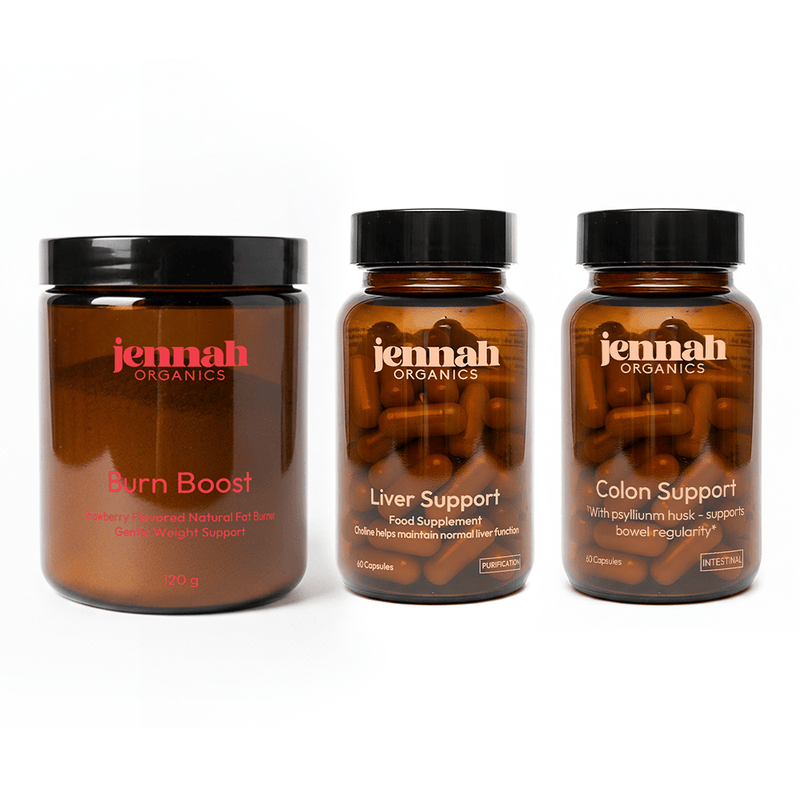
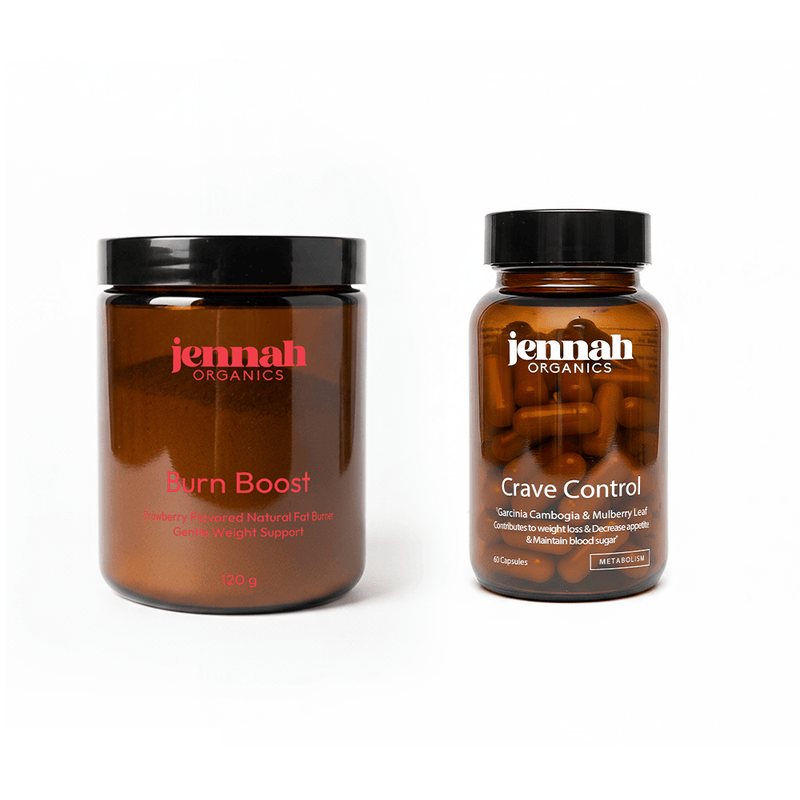
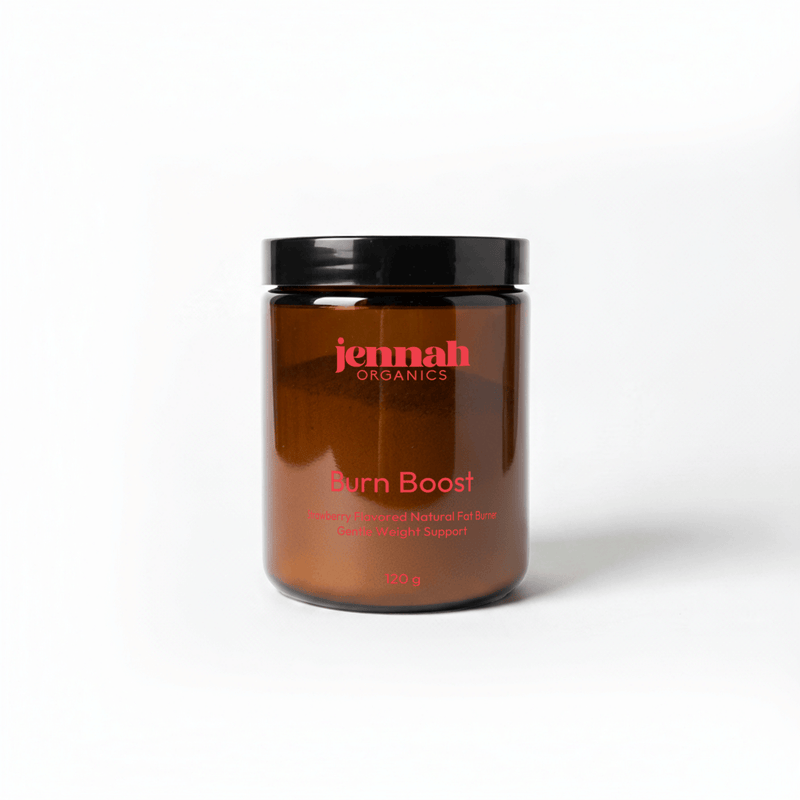
The leaf contains natural compounds that may influence fat storage, glucose uptake, and the way cells use energy. Let’s take a closer look at how it works and why it makes up such an essential part of Jennah Organics Burn Boost.
Lotus leaf is a herb that may support several processes involved in weight management.
Its bioactive compounds interact with pathways involved in fat accumulation, glucose use and energy metabolism. That gives lotus leaf a broader role than simply suppressing your appetite for a few hours.
One of the most interesting studies was a 12-week randomised, double-blind trial involving 60 overweight adults. Whole-body fat decreased significantly compared with the control group in both men and women. Men in the lotus leaf group also experienced reductions in visceral fat and waist circumference. (1)
From a herbalist’s perspective, those findings sit neatly beside the traditional picture of the plant. Lotus leaf has long been chosen when the body seems to be holding on to heaviness.
Lotus leaf contains several alkaloids, including nuciferine and pronuciferine, along with flavonoids and tannins. Nuciferine has attracted particular attention in metabolic research and is commonly used as a marker in standardised extracts.
The research points towards three connected actions:
Fat cells are constantly responding to signals that influence whether energy is stored, released or used. Lotus leaf compounds appear to interact with some of those signals.
In a laboratory study using fat cells that were not responding well to insulin, nuciferine and pronuciferine reduced the amount of fat stored inside the cells.
They also activated AMPK, an enzyme that acts like an energy switch, helping cells use fuel and influencing whether fat is stored or broken down. (2)
The same cell study found that nuciferine and pronuciferine increased glucose uptake and a transporter that helps move glucose from the bloodstream into cells. (3)
This matters because the way the body responds to carbohydrate and uses glucose can influence energy, appetite and whether excess fuel is stored as fat.
Preclinical research has also linked nuciferine with lower fat mass, greater energy expenditure and improved metabolic markers. (4)
Together with the human trial, these findings may help explain why lotus leaf has moved beyond its traditional uses and into modern metabolic formulas.
Weight management is rarely about one pathway, so it makes sense that lotus leaf is often paired with ingredients working from different angles.
In Jennah Organics Burn Boost, for example, the leaf is combined with green tea, mulberry leaf and several prebiotic fibres:
That combination targets weight management from multiple angles, like appetite, post-meal blood sugar responses, gut health and cellular energy.
Lotus leaf may appeal to someone who:
Lotus leaf is one of those herbs that becomes more interesting the closer you look. Its traditional use for heaviness and sluggish digestion now sits alongside research into fat-cell activity, glucose uptake and body composition.
Its alkaloids, particularly nuciferine, may interact with pathways involved in glucose uptake, fat-cell activity and energy metabolism.
Within a formula such as Burn Boost, lotus leaf contributes to a well-rounded goal of supporting energy, blood sugar balance, and the gut environment.

Il carrello è vuoto.
Inizia a fare acquisti