


 Netherlands
 Germany
 France
 Italia
 España
 Sverige
 International
Anxious for No Obvious Reason? 5 Things Your Nervous System May Need
Anxiety does not always begin with an anxious thought, sometimes it arrives in your body first. Maybe your jaw tightens, or your heart feels more noticeable even though...


Want to go to your dedicated store?
Anxiety does not always begin with an anxious thought, sometimes it arrives in your body first. Maybe your jaw tightens, or your heart feels more noticeable even though...

Anxiety does not always begin with an anxious thought, sometimes it arrives in your body first. Maybe your jaw tightens, or your heart feels more noticeable even though nothing particularly dramatic is happening.
This does not mean the feeling is imaginary. It may mean your nervous system is responding to a mixture of stress, poor sleep, hunger, hormonal shifts, too much caffeine, or simply being “on” for too long.
Here are a few gentle ways to make the body a less inviting place for anxiety to take hold.
Magnesium is often marketed as a sleep mineral, but its role is much broader. It contributes to normal nervous-system function, energy production and muscle function. Those are all relevant when stress leaves you feeling wired, tense and exhausted at the same time.
Magnesium also participates in systems that regulate the body’s stress response. When intake is low, the nervous system may have fewer resources available to maintain its usual balance.
A 2024 review of 15 studies found that most reported an improvement in at least one measure of anxiety or sleep following magnesium supplementation. It was concluded that magnesium may be useful for mild anxiety and insomnia, particularly in people who begin with a lower magnesium levels. (1)
Food sources include:
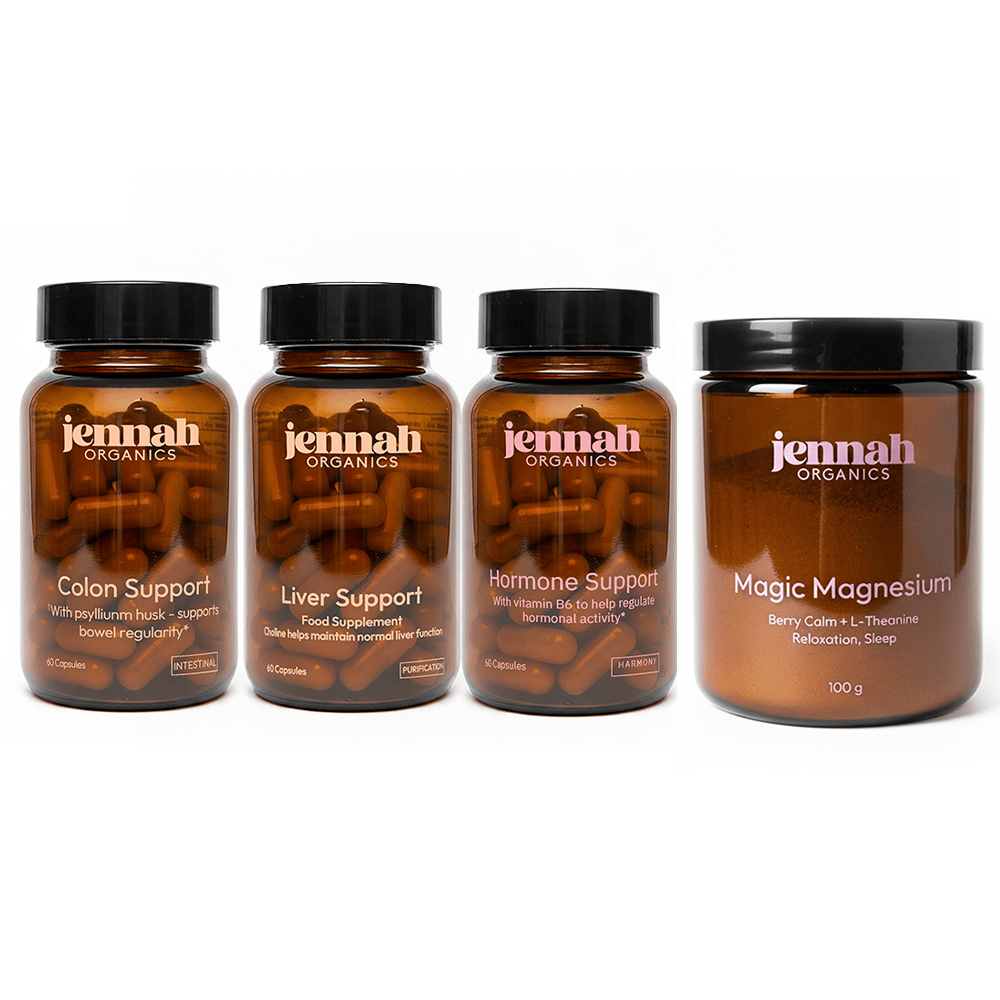
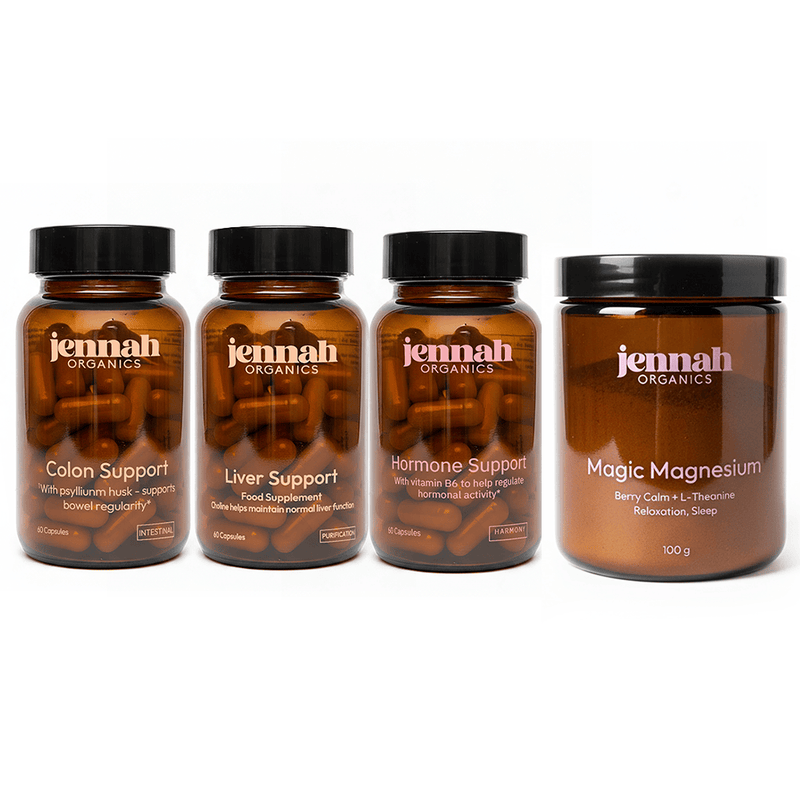
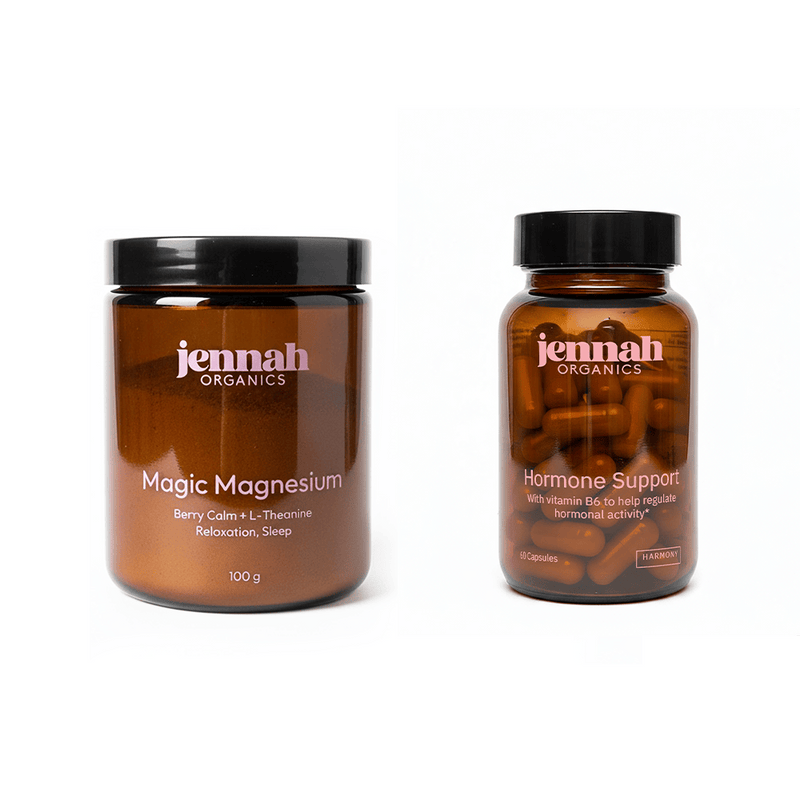
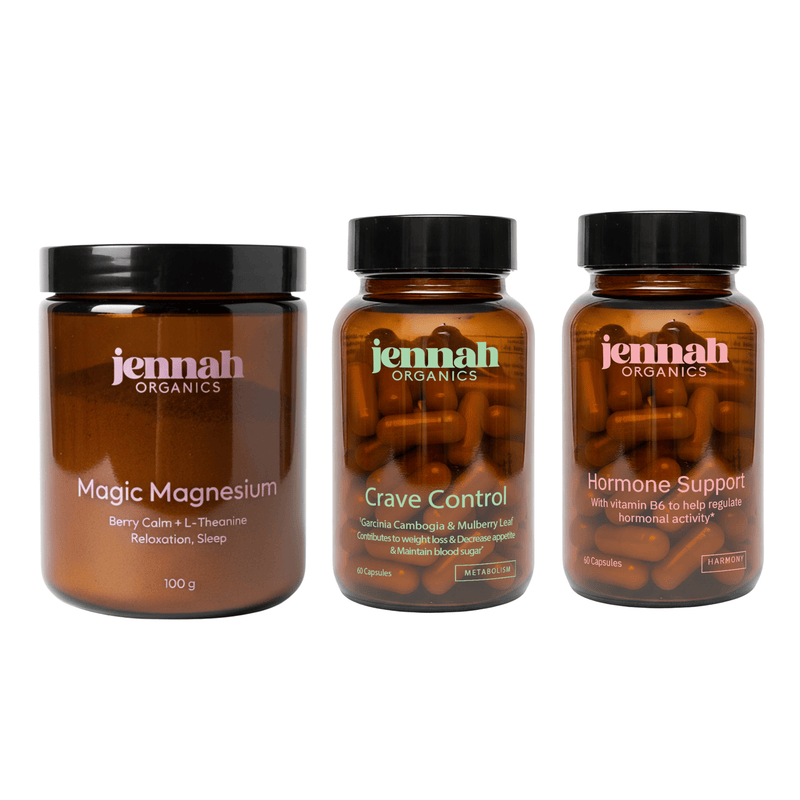
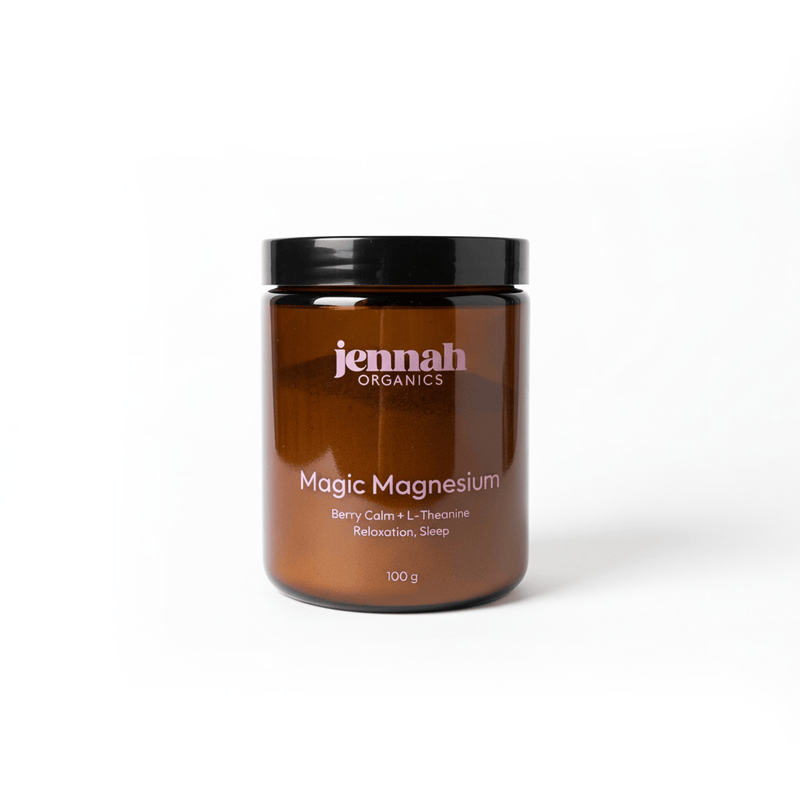
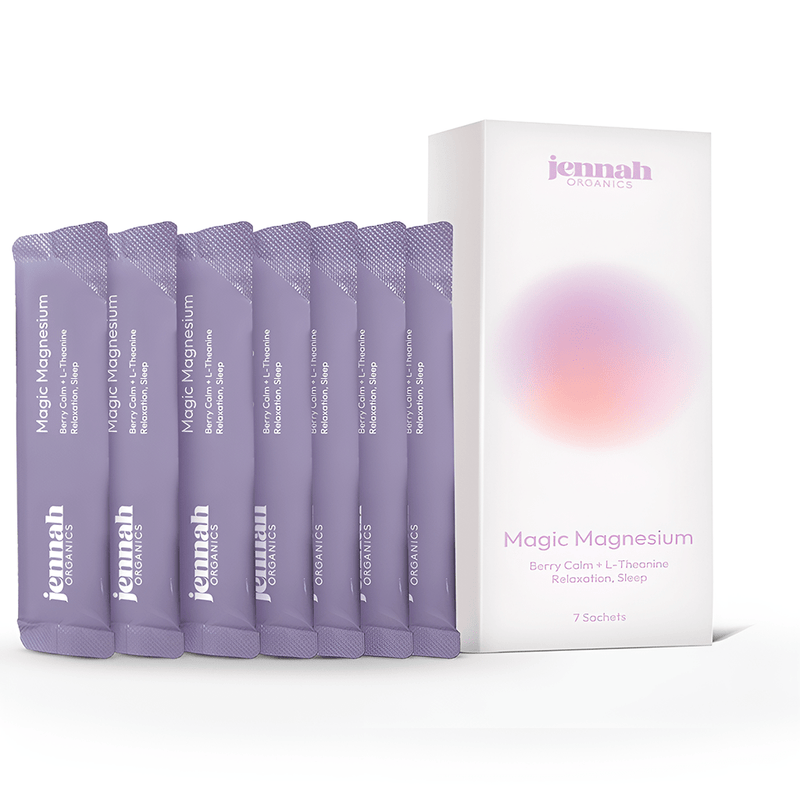
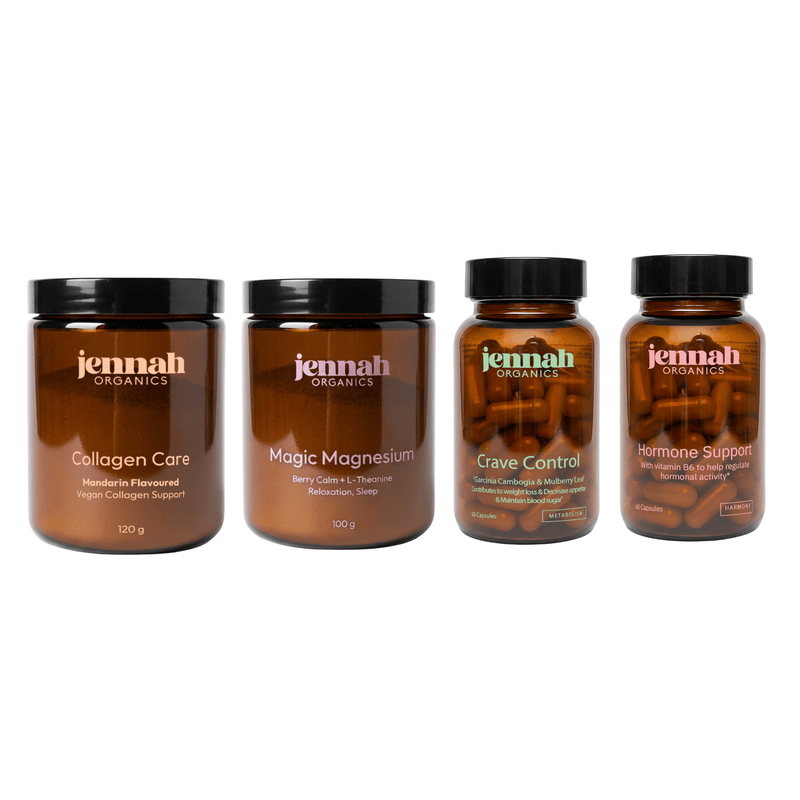
For a more consistent option, **Magic Magnesium** provides a daily dose magnesium citrate, magnesium glycinate and magnesium gluconate. It also contains 80 mg of L-theanine, a green tea amino acid studied for its calming response during stress. (2)
Ideally, the body responds to a challenge, mobilises the energy it needs and then returns to a more relaxed baseline. When stress becomes relentless, that return journey can become more difficult. You may feel tired all day but alert at bedtime, emotionally thin-skinned or unable to switch off.
This is where adaptogenic and mood-supporting herbs become interesting.
Ashwagandha, Withania somnifera, is an adaptogenic herb. Herbalists use adaptogens to improve resilience when the body has been under sustained stress or emotional demand.
Rather than acting like a sedative, ashwagandha is often used for the person who feels depleted by stress but still cannot fully relax.
A systematic review and meta-analysis of 12 randomised controlled trials involving 1,002 people found that ashwagandha supplementation improved measures of stress and anxiety compared with placebo. (3)
Saffron, Crocus sativus, has a long history of use for emotional wellbeing. In one 12-week double-blind trial, adults experiencing anxiety and depression had greater improvements in anxiety scores with saffron than with placebo. (4)
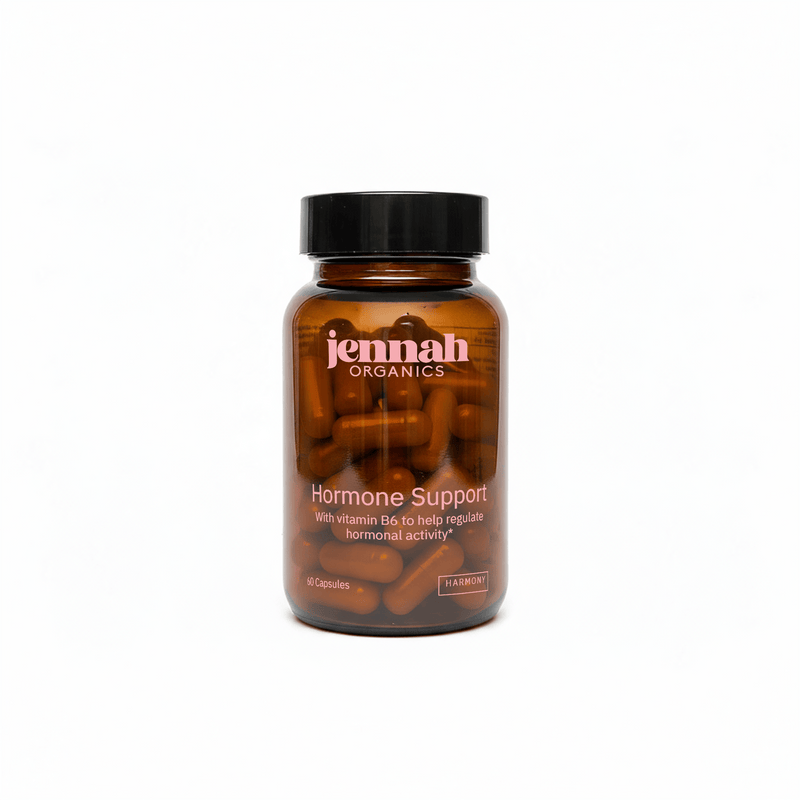
Jennah Organics Hormone Support Formula brings ashwagandha and saffron into a wider blend designed for hormonal and emotional balance. This may be particularly relevant if feeling anxious or emotionally reactive seems to follow a monthly pattern.
Have you ever skipped lunch, had another coffee instead and then wondered why you felt shaky and strangely overwhelmed at 4 pm? A racing heart, trembling, sweating, dizziness and irritability can all be symptoms of blood sugar dips.
Try building meals around:
This combination tends to provide more lasting energy than eating a carbohydrate on its own.
If mornings are your most anxious time, experiment with eating breakfast before having coffee. Caffeine can feel very different in a fed body than it does on an empty stomach.
When your body senses a challenge, it prepares for action. Your heart rate may rise, your muscles brace, and energy becomes available quickly.
Modern stress rarely gives that energy anywhere to go, whereas exercise can give that stress response an outlet.
A meta-analysis of 49 studies found greater reductions in anxiety among exercise groups than those who didn’t. (5)
This does not have to mean a punishing workout. Depending on what your system needs, it could look like:
If intense exercise makes you more agitated, choose rhythmic, moderate movement instead.
You cannot always think your way into feeling safe. The nervous system pays attention to physical cues, including your breathing rhythm, muscle tension, light exposure, surroundings and daily routine.
Small, repeated signals can be more helpful than waiting until you are extremely anxious and then trying one dramatic calming technique.
Slow breathing can reduce anxiety and shift the body towards a calmer physiological state.
Try breathing in gently for four counts and out for six. There is no need to take enormous breaths. Keep them quiet and comfortable, and stop if you feel dizzy.
The nervous system likes some predictability. A few helpful anchors include:
Magnesium, adaptogen herbs like ashwagandha in Hormone Support, regular meals, movement and slow breathing each approach anxiety from a different direction. You do not need to start all five at once. Pick the one that matches what your body seems to be asking for today.

Su carrito está vacío.
Empieza a comprar