



 Netherlands
 Germany
 France
 Italia
 España
 Sverige
 International
Is Your Breakfast Setting You Up to Snack All Day?
You eat breakfast, start your day and find yourself searching for a snack an hour later. It is easy to interpret this as a problem with discipline, especially...




Want to go to your dedicated store?
You eat breakfast, start your day and find yourself searching for a snack an hour later. It is easy to interpret this as a problem with discipline, especially...

You eat breakfast, start your day and find yourself searching for a snack an hour later. It is easy to interpret this as a problem with discipline, especially when breakfast looked perfectly healthy. But persistent morning hunger may be saying something much simpler: your first meal did not give you enough energy or staying power.
A breakfast that keeps you full is rarely built around one magical ingredient. Satisfaction comes from the whole meal, including its protein, fibre, fat, carbohydrates, volume and total energy. Your sleep, stress levels, activity and eating patterns from the previous day matter too.
This does not mean snacking is inherently unhealthy. Some people naturally feel best eating more frequently, and hunger between meals is a valid reason to eat. But if you would prefer not to spend the morning thinking about food, it may be worth looking at breakfast before blaming the snacks.
Hunger soon after breakfast can have several explanations. The meal may have been small, low in protein or lacking fibre. You may also be catching up after an early dinner, a demanding workout or a day of undereating.
Some breakfasts look substantial while providing surprisingly little usable energy. Coffee and a piece of fruit may take time to consume, but they are unlikely to sustain most people through a long morning.
A smoothie can contain nutritious ingredients yet be less satisfying than expected if it is mostly fruit and liquid.
Even porridge may leave you hungry if the serving is small and has no meaningful source of protein or fat.
Appetite also changes from day to day. Poor sleep can alter hunger and food reward, while stress can suppress appetite in one person and intensify it in another. Menstrual-cycle changes, medication, illness and physical activity can all influence how much food feels satisfying.
We often judge breakfast by the foods it contains. Oats are healthy, fruit is healthy, veggies are healthy. That can all be true while the meal as a whole remains incomplete.
Satiety describes the period of satisfaction after eating. It is affected by the physical amount of food in the stomach, the energy the meal provides, and signals produced as nutrients move through the digestive system.
Texture and eating speed matter as well, for example, a meal that requires chewing will often feel different from drinking the same ingredients in a few minutes.
This is why a filling breakfast generally needs a combination of nutrients instead of a single headline ingredient.
Protein is one of the first places to look when breakfast does not last. Research suggests that higher-protein meals can produce improvements in fullness. (1) (2)
Common breakfasts are often centered on carbohydrates, with protein appearing only in small amounts. Toast with jam, cereal with a splash of milk or fruit on its own may digest comfortably but leave little behind to sustain fullness.
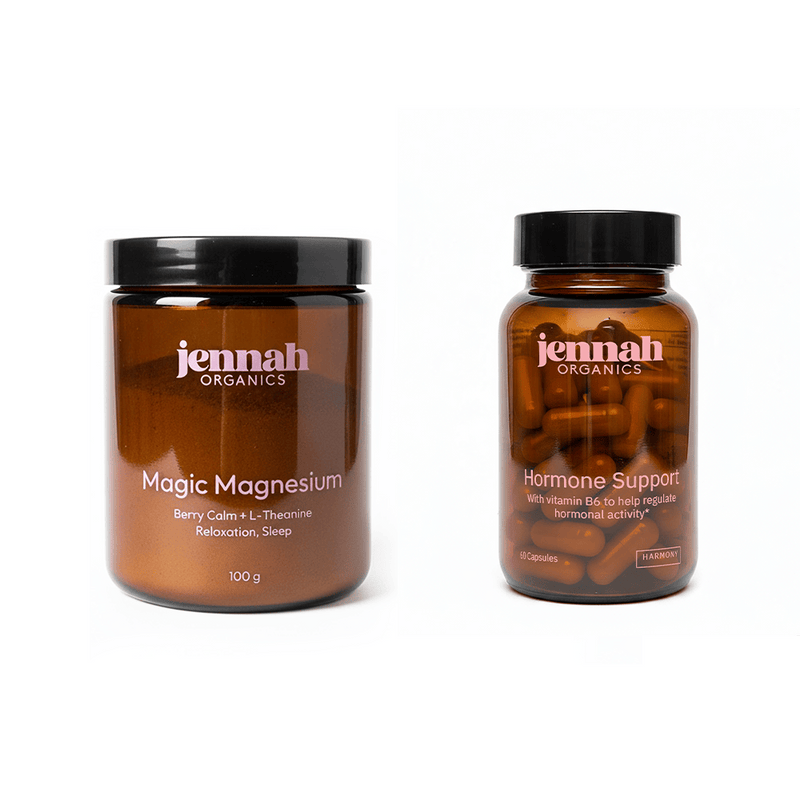
You do not need to remove all the carbohydrates, simply add a clear protein source instead. Depending on your diet, that might be eggs, Greek yogurt, cottage cheese, tofu, beans, lentils, nuts, seeds or a high-quality protein powder like Jennah Organics Protein Power.
For example:
The goal is to make protein an intentional part of the meal, rather than a trace ingredient.
Fiber can add volume, slow aspects of digestion and support the gut microbiome. However, simply adding a spoonful of fiber does not automatically produce hours of fullness.
A practical approach is to include fiber-rich whole foods such as oats, wholegrain bread, fruit, vegetables, beans, nuts and seeds. These foods bring water, structure and micronutrients alongside fiber.
If you currently eat very little fiber, increase it gradually and drink enough fluid. A sudden jump can cause bloating or discomfort, particularly for people with a sensitive gut.
Fat is energy-dense and contributes flavour and satisfaction. A little nut butter, avocado, olive oil, seeds, nuts, cheese or full-fat yoghurt can turn a lean breakfast into something that feels more substantial.
This does not mean every breakfast needs to be high in fat. It means that a meal made entirely from low-fat, low-energy foods may not match your needs. This is especially relevant when someone has spent years choosing the lightest version of every ingredient and then wondering why food occupies so much of their attention.
Carbohydrates are often blamed when hunger returns quickly, but the problem is usually more nuanced. Carbohydrate-rich foods provide accessible energy, which is useful after an overnight fast and before a physically or mentally demanding morning.
The form of the carbohydrate and the rest of the meal influence how it feels. Wholegrain toast with eggs and avocado is different from dry toast eaten alone. Oats with yoghurt, berries and seeds are different from a small packet of sweetened instant oats made with water.
Instead of trying to eliminate carbohydrates, combine them with protein, fibre and, where appropriate, some fat. (3) (4)
Nutritional quality cannot compensate for an inadequate amount of food. Half a banana, a few spoonfuls of yoghurt and a sprinkling of seeds may be quick, but it may not meet the energy needs of a full morning ahead.
If you regularly finish breakfast wanting more, feel preoccupied with food shortly afterward or need several snacks to reach lunch, experiment with increasing the meal itself. Add another egg, use a larger portion of oats, include more yoghurt or add a side of antioxidant-rich berries.
This is not a prescription to eat past comfortable fullness. It is permission to stop treating the smallest possible breakfast as the healthiest one.
There is no universal formula, but a useful starting point is to build breakfast from four parts:
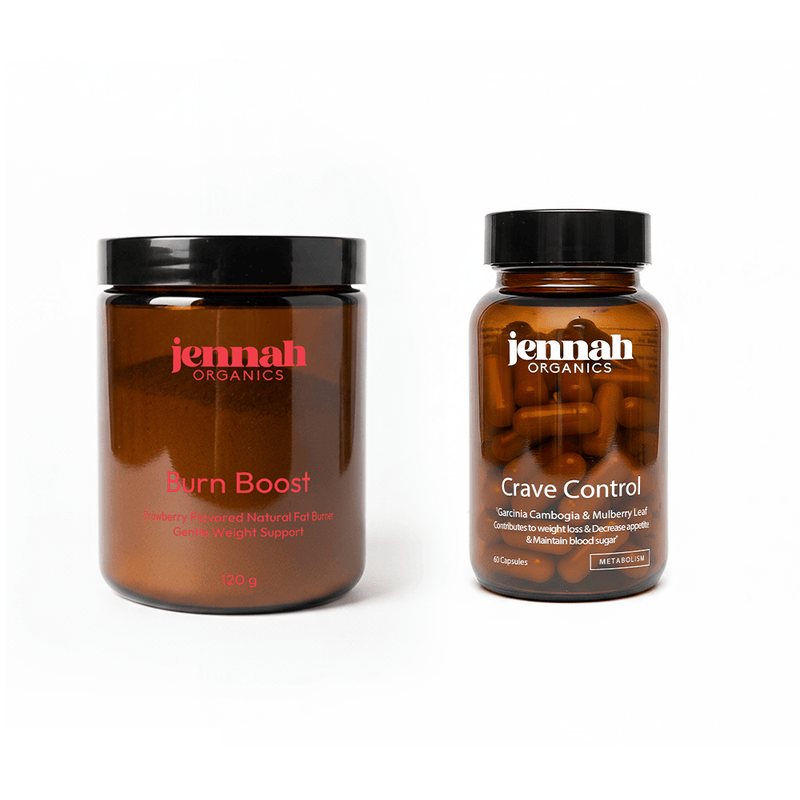
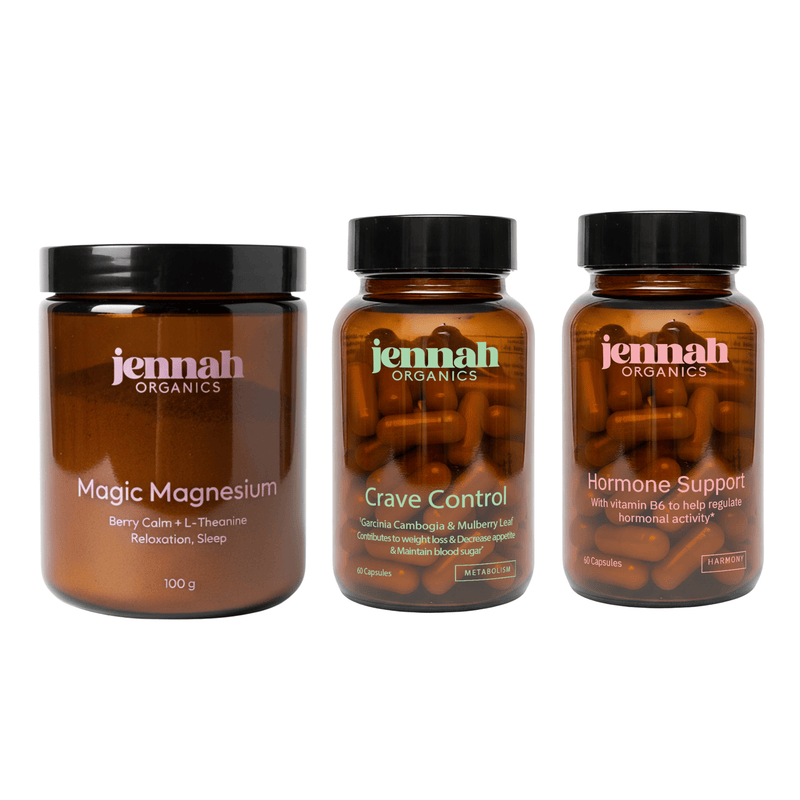
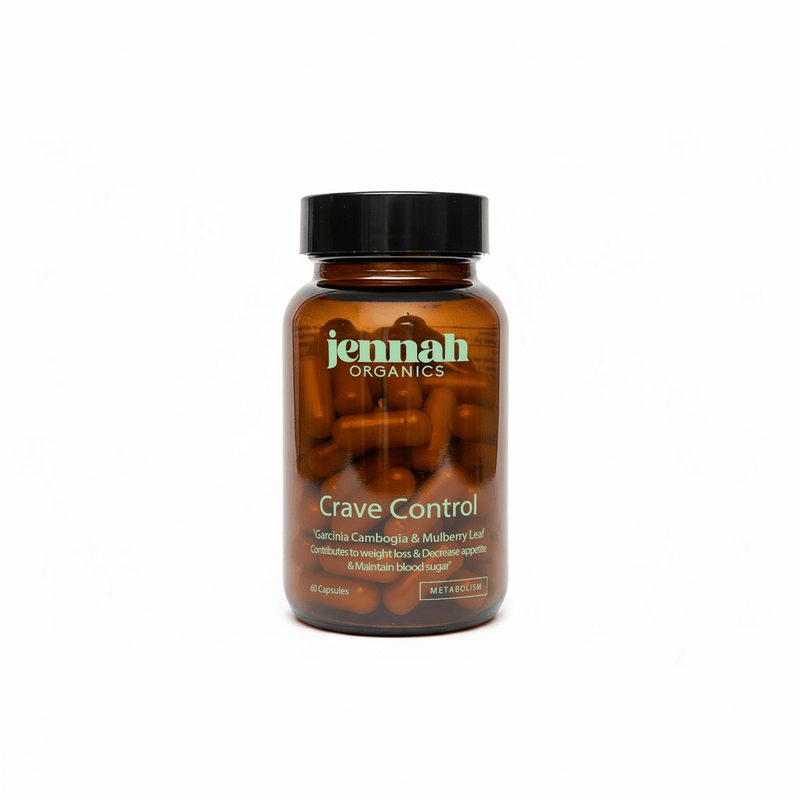
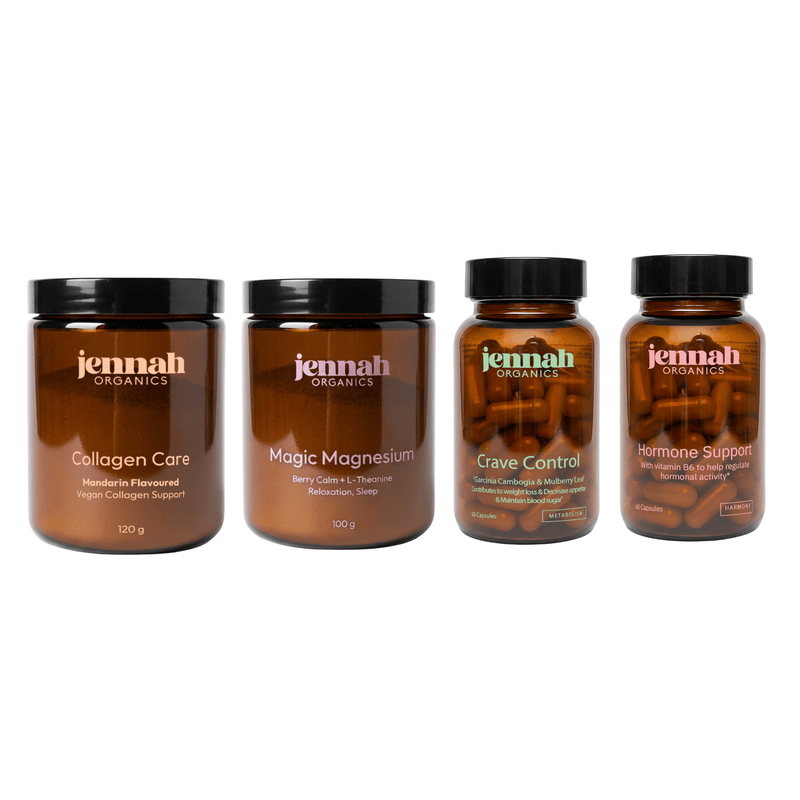
Jennah Organics Crave Control helps reduce sugar cravings and unnecessary snacking while supporting balanced blood sugar and a steadier appetite.
Mulberry leaf and chromium support healthy glucose and carbohydrate metabolism, while green tea and grains of paradise encourage thermogenesis and natural fat burning. Garcinia cambogia and lotus leaf provide additional support for weight management and overall balance.
Your cart is currently empty.
Start Shopping