


 Netherlands
 Germany
 France
 Italia
 España
 Sverige
 International
You Are Not What You Eat, You Are What You Absorb
Did you know that it’s possible to eat enough iron without absorbing all of it? Or that you can add beta-carotene-rich vegetables to a salad and leave some...



Want to go to your dedicated store?
Did you know that it’s possible to eat enough iron without absorbing all of it? Or that you can add beta-carotene-rich vegetables to a salad and leave some...

Did you know that it’s possible to eat enough iron without absorbing all of it? Or that you can add beta-carotene-rich vegetables to a salad and leave some of their nutritional value behind by skipping the dressing? Even the numbers on a supplement label only tell you what is in the capsule, not how much will ultimately enter your body on a cellular level.
This is the gap between nutrient content and nutrient absorption.
A varied, nourishing diet still matters enormously, of course, but food has to be broken down, released from its physical structure, transported across the intestinal wall and delivered to the tissues before the body can use it. The amount that makes it through this process is known as its bioavailability.
Bioavailability is shaped by the nutrient itself, the food it comes from, what you eat alongside it, and the health of your digestive system. This explains why two people can eat similar diets yet absorb different amounts, and why a food can be rich in a nutrient without being the most absorbable source of it.
Digestion and absorption are related, but they are not the same process.
Digestion breaks food into smaller components. Chewing disrupts its structure, stomach acid helps release nutrients and denature proteins, and enzymes break carbohydrates, proteins and fats into units the body can handle. Bile produced by the liver and released through the gallbladder helps disperse fats.
Absorption then happens mainly in the small intestine because it has a large surface area that allows amino acids, sugars, fatty acids, vitamins, minerals and other compounds to move from the digestive tract into the blood or lymph. Each nutrient follows its own route and may rely on particular transporters, digestive secretions, or special carrier proteins.
This means there is no single switch that turns nutrient absorption up or down. Someone may absorb one nutrient well and struggle with another. Vitamin B12, for example, depends on several steps involving stomach acid, digestive enzymes and intrinsic factor before it can be absorbed in the final part of the small intestine.
The amount of a nutrient listed in a food database is not necessarily the amount your body will receive. Nutrients can be trapped inside plant cell walls, bound to other compounds or altered by processing and cooking.
Iron is a useful example here. Heme iron from animal tissue is generally absorbed more readily and is less affected by the rest of the meal. By comparison, the amount of non-haem iron absorbed from plants and fortified foods depends more heavily on what else is eaten with it. (1)
This does not make plant foods nutritionally inferior, but rather the right preparation method or food pairing can change how much becomes available.
Some nutrients help the body absorb others. These pairings do not need to be measured precisely or used at every meal, but they are useful tools when a particular nutrient needs attention.
Vitamin C can substantially improve the absorption of non-haem (plant-based) iron by helping keep it in a soluble form that the intestine can absorb. (2)
Useful combinations include:
Carotenoids are pigments found in foods such as carrots, tomatoes, spinach and peppers. Because they are fat-soluble, their absorption improves when the meal contains fat. A study found that there was significantly greater carotenoid absorption from salads eaten with full-fat dressing than with fat-free dressing (3). Another study found that adding avocado increased carotenoid absorption from salad and salsa (4).
Olive oil, avocado, nuts, seeds, eggs or another source of dietary fat can all serve this purpose. The lesson is super simple: removing every trace of fat from a meal can make some of its nutrients harder to access.
Food also contains compounds that can bind minerals or make them less available during a particular meal.
Polyphenols in tea and coffee can reduce non-haem iron absorption when consumed with a meal. The effect depends on the amount consumed, the rest of the diet and the person’s existing nutrient status. (5)
This is not a reason to fear tea or coffee. For example, if iron is a concern, you can drink tea or coffee between meals rather than with an iron-rich meal, and add a vitamin C source to your meal.
“Raw” and “cooked” are not necessarily better or worse when it comes to nutrient absorption, but rather it depends on the food. Heat may reduce heat-sensitive nutrients such as vitamin C, especially when vegetables are boiled for a long time, and the cooking water is discarded. At the same time, cooking softens plant tissues and can make some compounds easier to release, like the antioxidant lycopene from tomatoes.
That’s why it’s good to eat a combination of both cooked and raw vegetables.
Your nervous system and digestive tract are in constant communication. Acute and chronic stress can alter gastrointestinal movement, secretion, sensitivity, blood flow, intestinal permeability and the composition of your gut microbiota, which might impact nutrient absorption. (6)
Think about it… Have you noticed a tight stomach, nausea, reflux, diarrhea, constipation or a loss of appetite during difficult, stressful periods?
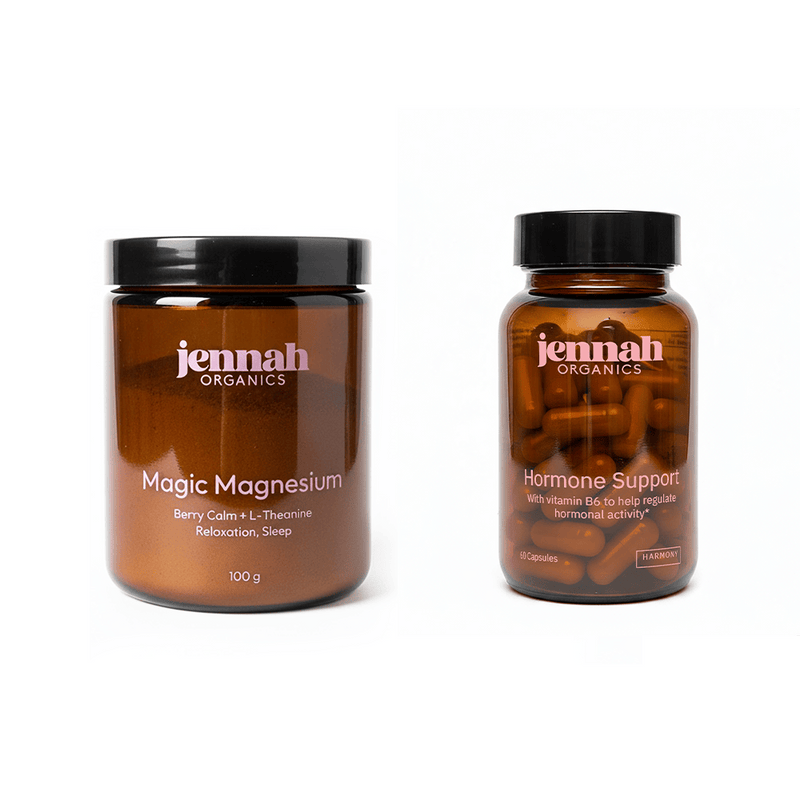
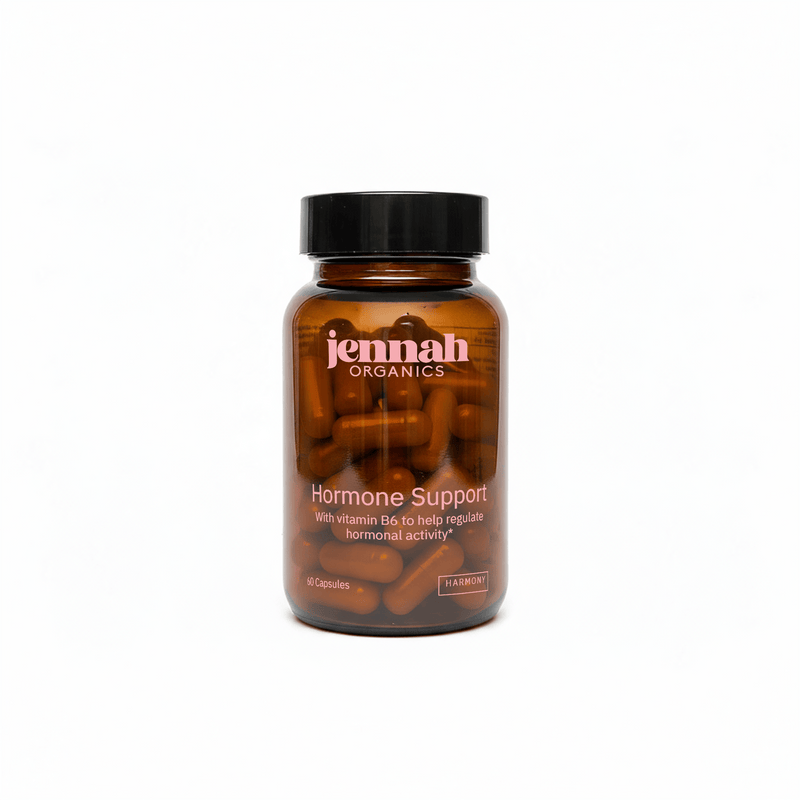
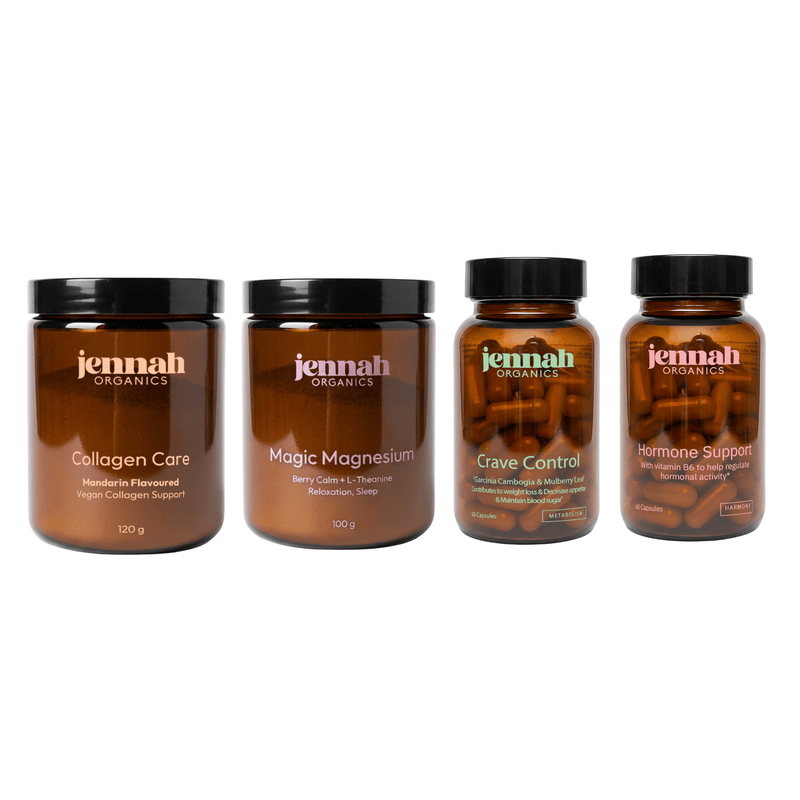
Jennah Organics Hormone Support combines ingredients including ashwagandha and magnesium in a formula designed to support stress management and hormonal health. Learn more here.
The digestive tract provides both the physical surface and the chemical conditions needed for nutrient absorption.
The gut microbiome also contributes to this wider digestive environment by interacting with dietary fiber, producing metabolites and supporting the intestinal ecosystem.
Jennah Organics Daily Greens contains more than twenty superfoods alongside prebiotic fibres, postbiotics and polyphenols. These ingredients are intended to support gut health and plant diversity within your diet.
A few practical habits provide most of the benefit:
Your cart is currently empty.
Start Shopping