Saffron and mood have a fascinating connection that has moved beyond traditional wisdom into modern science. This deep-red spice has been used for centuries to support emotional balance, and today, clinical research is beginning to confirm those benefits.
In a world where stress, anxiety, and low mood are increasingly common, many people are looking for natural solutions. Saffron stands out because it is supported by a growing number of research studies.
What Is Saffron and Where Does It Come From?
Saffron comes from the plant Crocus sativus. Each flower produces only three red stigmas, which are harvested by hand. This labor-intensive process explains why it is the most expensive spice in the world.
Historically, saffron has been used in Persian, Indian, and Mediterranean cultures for both cooking and medicine. Ancient texts often describe its use for lifting mood and calming the mind, long before modern neuroscience existed.
The Science Behind Saffron and Mood
Modern research has helped explain why saffron has such a noticeable effect on emotional health.
Key Active Compounds in Saffron
Saffron contains several biologically active compounds, with crocin and safranal being the most important for mood.
Crocin and Its Role in Brain Health
Crocin is a powerful antioxidant that helps protect brain cells from oxidative stress. Studies suggest that oxidative damage is linked to depression and cognitive decline. By reducing this damage, crocin may help stabilize mood and improve mental clarity. (1)
Safranal and Emotional Regulation
Safranal contributes to saffron’s aroma and has been linked to calming effects in the nervous system. Experimental studies indicate that it interacts with GABA receptors, which help control anxiety and stress responses. (2)
How Saffron Affects Neurotransmitters
One of the most important findings is that saffron influences neurotransmitters such as serotonin, dopamine, and norepinephrine.
A randomized controlled trial published in the Journal of Ethnopharmacology found that saffron increased serotonin activity in a way similar to conventional antidepressants. This helps explain why it can improve mood without acting as a stimulant. (3)
6 Powerful Benefits of Saffron for Mood
1. Natural Antidepressant Properties
Several clinical trials have compared saffron with standard antidepressants.
One study found that saffron was as effective as fluoxetine in treating mild to moderate depression over six weeks. Another trial showed similar results when compared with imipramine, with fewer reported side effects. (4)
These findings suggest that saffron can offer meaningful support for people experiencing low mood.
2. Reduces Anxiety and Stress
Saffron appears to lower cortisol levels, which are linked to stress.
A study published in Phytotherapy Research reported that participants who took saffron extract experienced reduced anxiety and improved emotional balance after several weeks. (5)
3. Improves Sleep Quality
Research in the Journal of Sleep Research found that saffron supplementation improved sleep quality and reduced insomnia symptoms. Better sleep contributes to improved mood. (6)
4. Boosts Cognitive Function
Saffron may protect brain cells and improve memory by reducing inflammation and oxidative stress, supporting clearer thinking and emotional stability.
5. Supports Hormonal Balance
Hormonal fluctuations play a major role in mood, especially for women.
Clinical research has shown that saffron can reduce symptoms of premenstrual syndrome, including irritability, mood swings, and emotional sensitivity. This highlights its ability to support both mood and hormonal health simultaneously. (7)
6. Promotes Overall Mental Well-being
A meta-analysis published in the Journal of Integrative Medicine concluded that saffron consistently improves depressive symptoms compared to placebo. (8)
This reinforces the idea that saffron supports emotional health through multiple biological pathways.
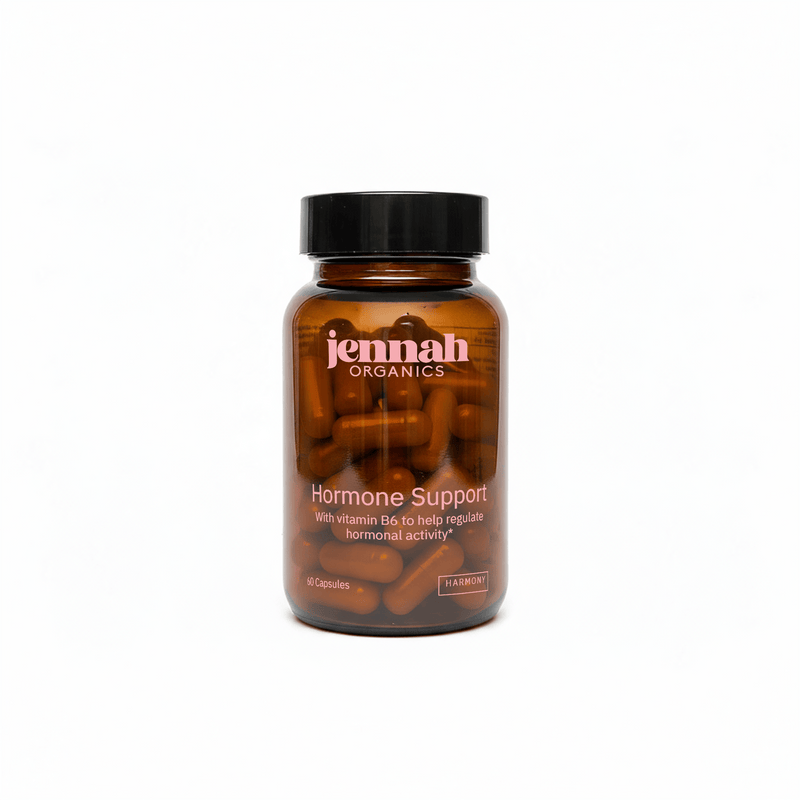
Saffron and Hormonal Support: The Role of Jennah Organics Hormone Balance
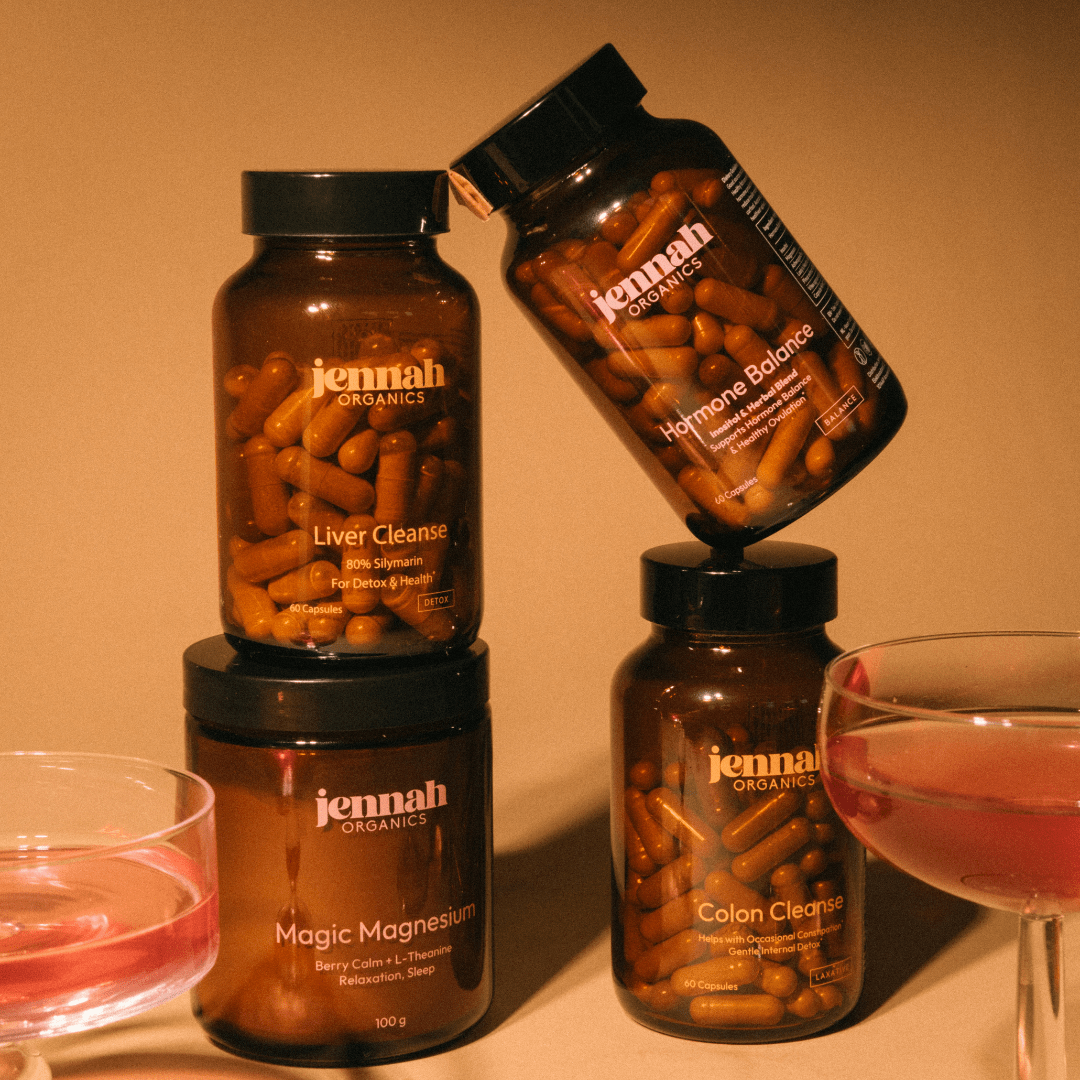
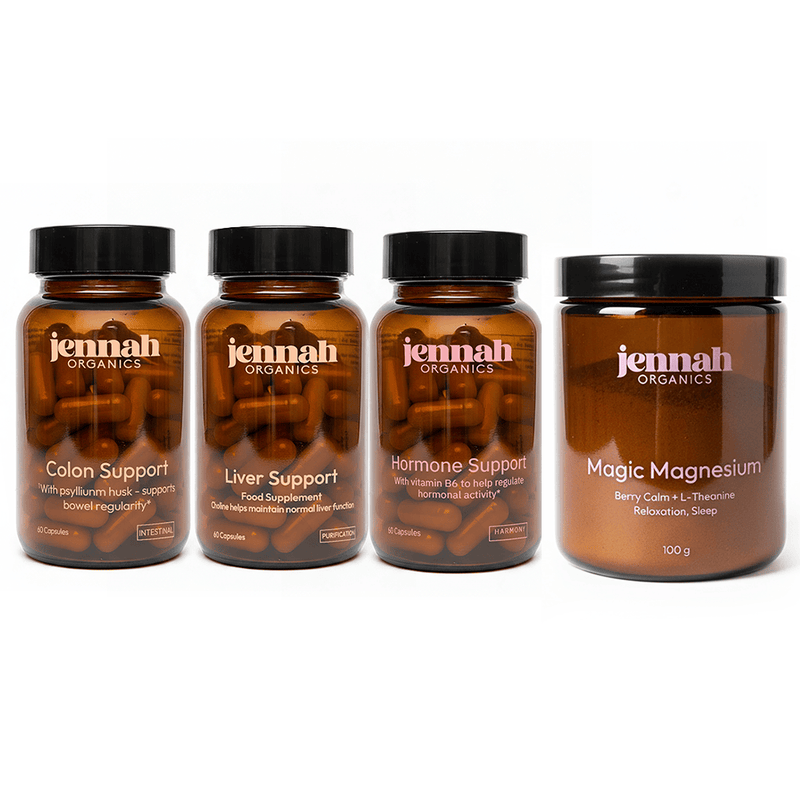
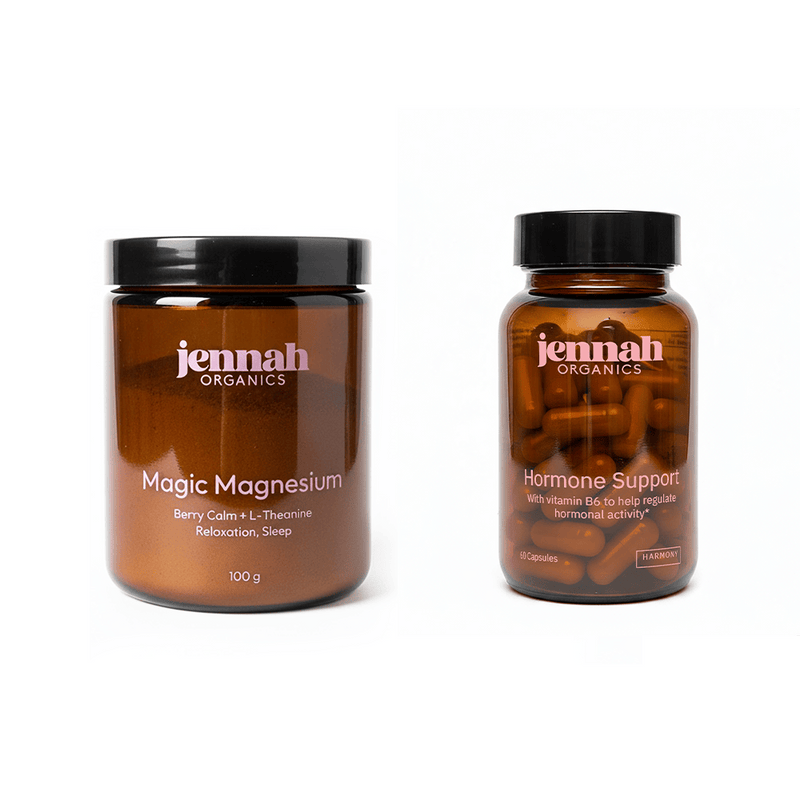
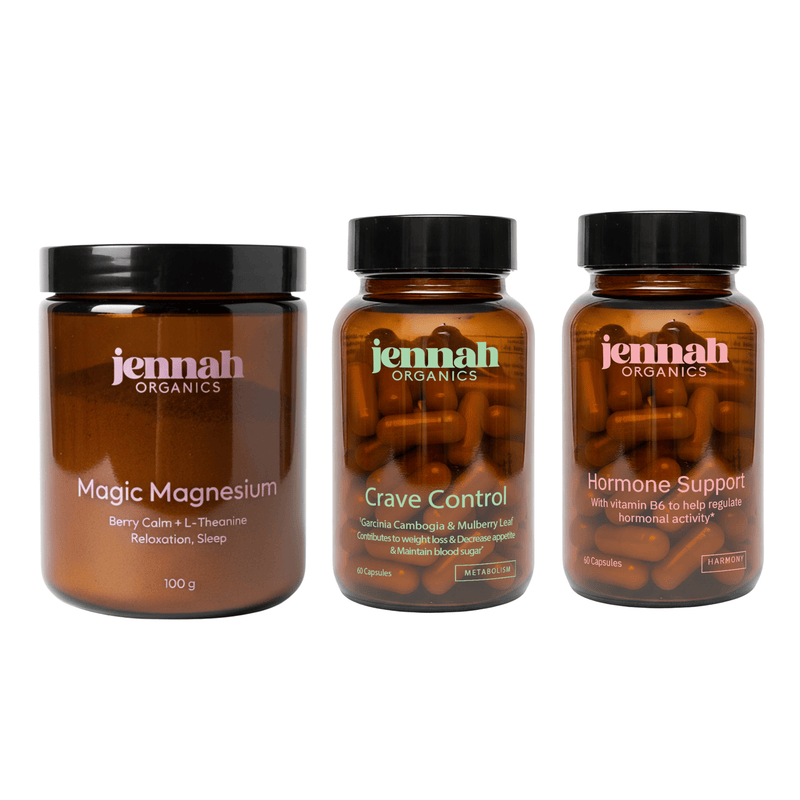
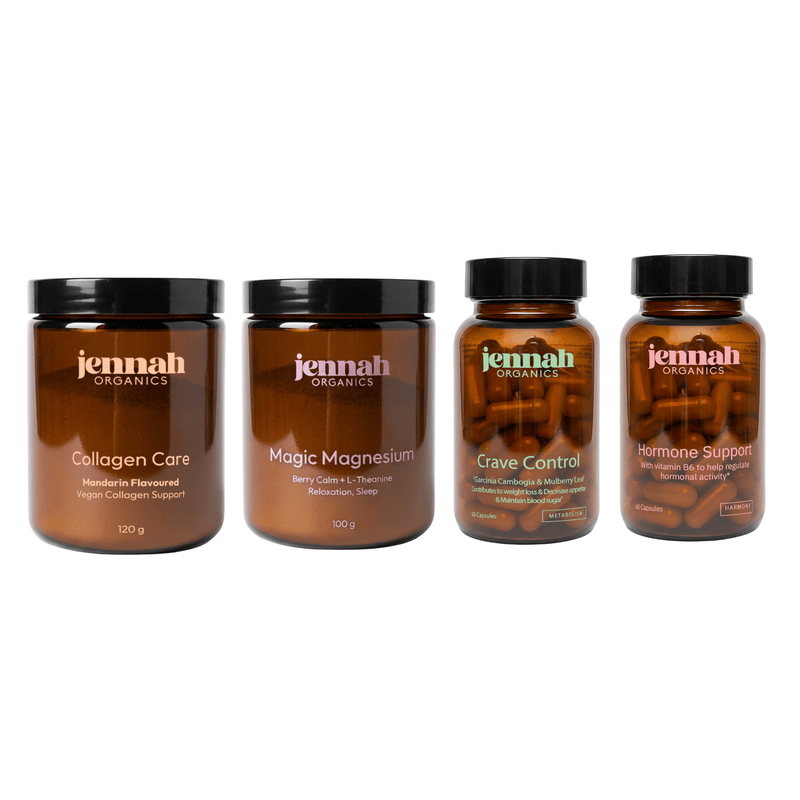
Jennah Organics Hormone Support Supplement combines the power of saffron extract with other research-backed natural ingredients like Ashwagandha, Pine Bark and Green Tea aimed at supporting mood, stress-relief, cycle regulation, and overall endocrine health.
This type of formulation often complements saffron’s effects in several ways:
- It supports hormone regulation, which directly influences mood
- It may help reduce PMS-related symptoms such as irritability and fatigue
- It works alongside saffron’s impact on serotonin to create a more balanced emotional state
Shop Hormone Support now.
FAQs About Saffron and Mood
1. How quickly does saffron improve mood?
Most people notice changes within two to four weeks.
2. Can saffron help with hormonal mood swings?
Yes, research suggests it can reduce PMS-related mood symptoms.
3. Is it safe to combine saffron with hormone supplements?
It can be, but medical guidance is recommended.
4. Does saffron work for anxiety?
Studies show it may reduce overall anxiety levels.
5. Is saffron suitable for long-term use?
Yes, when taken within recommended limits.









 Netherlands
 Germany
 France
 Italia
 España
 Sverige
 International