If you've ever read about herbal medicine, you've probably come across words like adaptogen, carminative or demulcent. They can sound like complicated scientific terms, but they're actually part of the language herbalists use to describe how plants interact with the body.
Rather than focusing on a single symptom, herbalists often think about the action of a herb. Does it calm the nervous system? Stimulate digestion? Soothe irritated tissues? Support healthy circulation?
Understanding these actions helps explain why the same herb can have several different uses and why herbal formulas often combine multiple plants that work together.
Here's an introduction to some of the most common herbal actions and what they mean.
Adaptogens
Adaptogens are herbs that help the body adapt to physical, mental and emotional stress. Instead of forcing the body in one direction, they support balance within the body's stress response, particularly the hypothalamic-pituitary-adrenal (HPA) axis.
Popular adaptogenic herbs include ashwagandha, rhodiola and holy basil. They are often used to support resilience during periods of ongoing stress, fatigue or mental overwhelm. Jennah Organics Hormone Balance combines adaptogenic herbs with complementary botanicals and nutrients to help support emotional wellbeing and a healthy stress response.
Nervines
Nervines are herbs that support the nervous system. Some help promote relaxation, while others nourish and strengthen the nervous system over time.
For example, chamomile and lemon balm are often used to encourage calm, while oat straw is considered a nourishing nervine that may help support long-term nervous system health.
Carminatives
Carminative herbs are traditionally used to ease bloating, trapped gas and digestive discomfort. Many work by relaxing the smooth muscles of the digestive tract while also encouraging healthy digestion.
Peppermint, fennel, ginger and cardamom are all well-known carminative herbs that have been used for centuries after meals. **Jennah Organics Colon Support** contains ginger, a traditional carminative herb that helps support comfortable digestion while working alongside fibre and botanicals to promote regular bowel function.
Bitters
True to their name, bitter herbs have a naturally bitter taste that stimulates receptors on the tongue. This kickstarts the digestive process by encouraging saliva, stomach acid, digestive enzymes and bile production before food even reaches the stomach.
Gentian, dandelion root and globe artichoke are classic examples. As a herbalist I like to recommend bitters before meals to help prepare the digestive system for efficient digestion.
Demulcents
Demulcent herbs contain soothing mucilage that coats and protects irritated tissues.
They're often used to support the digestive tract, throat and respiratory system by forming a gentle protective layer that helps reduce irritation. Marshmallow root, slippery elm and licorice root are classic demulcent herbs.
Astringents
Astringent herbs tighten and tone tissues. Thanks to their tannin content, they're traditionally used to help reduce excess secretions and support healthy skin and mucous membranes.
Witch hazel, raspberry leaf and oak bark are examples of herbs with astringent properties.
Diaphoretics
Diaphoretic herbs encourage healthy sweating, which is one of the body's natural cooling and temperature-regulating mechanisms.
Herbalists have traditionally used herbs such as elderflower, yarrow and peppermint to support the body's natural response during the early stages of a cold or fever.
Expectorants
Expectorant herbs help loosen and clear mucus from the airways, making it easier to cough up congestion.
Mullein, thyme and ivy leaf are commonly used to support respiratory health when mucus is thick or difficult to clear.
Diuretics
Diuretic herbs encourage healthy urine production and help the body regulate fluid balance.
Unlike pharmaceutical diuretics, many traditional herbal diuretics are gentle and often provide additional nutrients. Dandelion leaf is a well-known example because it naturally contains potassium alongside compounds that support urinary function.
Hepatics
Hepatic herbs support healthy liver function. Since the liver plays a central role in nutrient metabolism, hormone regulation and detoxification, these herbs have long been valued in traditional herbal medicine.
Milk thistle, turmeric and globe artichoke are among the best-known herbs used to support liver health. **Jennah Organics Liver Support** combines several hepatic herbs like Milk thistle extract, which have been traditionally used to nourish healthy liver function and support the body's natural detoxification processes.
Antispasmodics
Antispasmodic herbs help relax involuntary muscle spasms. Depending on the herb, they may be used to support digestive cramps, menstrual discomfort or tension in the nervous system.
Cramp bark, peppermint and chamomile are commonly used examples.
Why Herbalists Think in Actions
One of the reasons herbal medicine is so individualised is that herbalists rarely choose herbs based on a diagnosis alone. Instead, they consider how a person's body is functioning.
For example, two people experiencing bloating may benefit from completely different herbs. One may need a carminative herb to relieve trapped gas, while another may benefit more from bitters that stimulate digestion before meals or a demulcent that soothes an irritated gut lining.
This approach also explains why herbal formulas often contain several herbs. Each plant contributes different actions that complement one another, creating a formula designed to support the body from multiple angles rather than relying on a single ingredient.
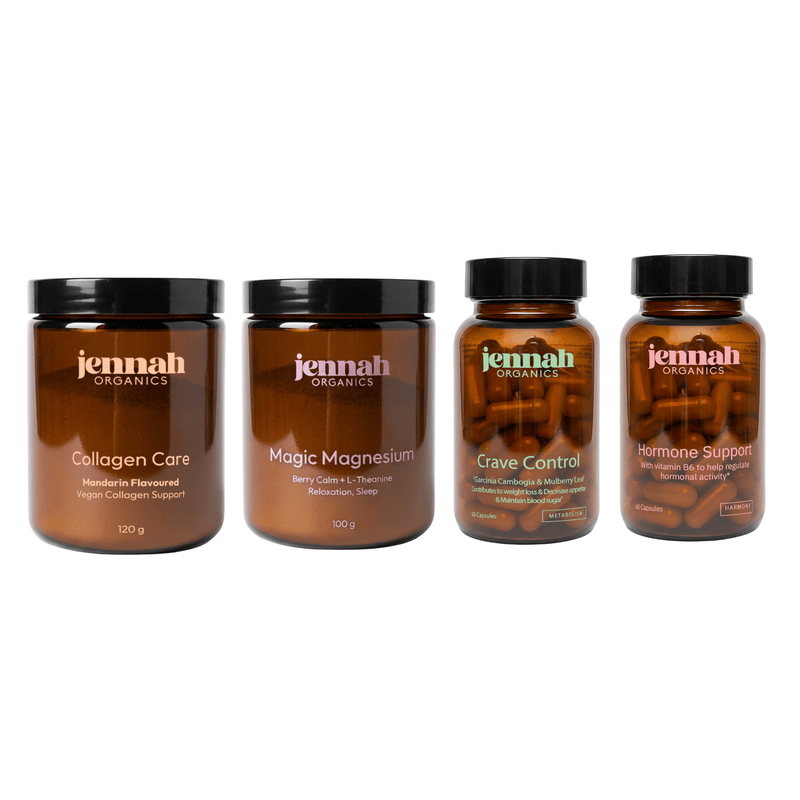
That's the philosophy behind many herbal formulations, including those developed by Jennah Organics, where carefully selected botanicals are combined to provide comprehensive support rather than relying on a single "hero" ingredient.


























 Netherlands
 Germany
 France
 Italia
 España
 Sverige
 International